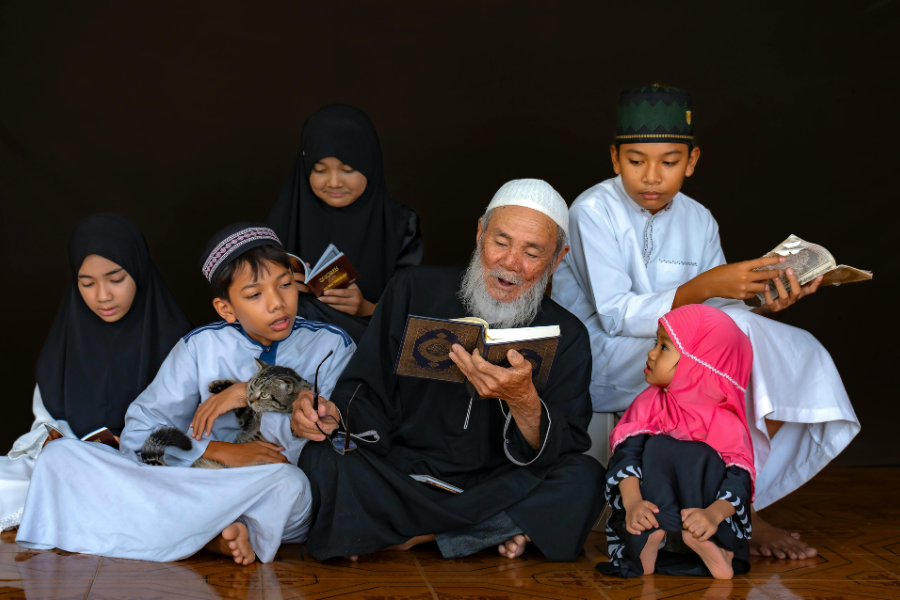

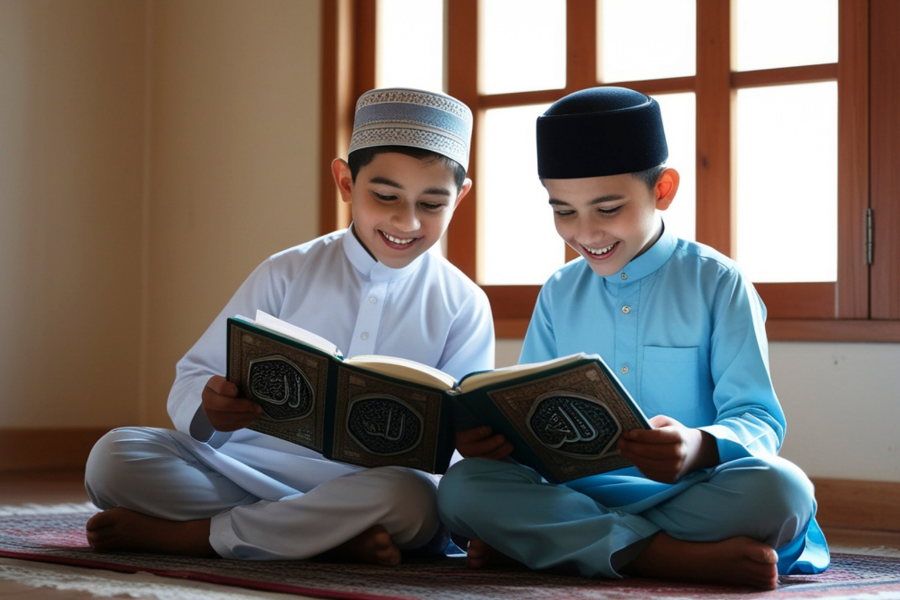
Islamic education plays a vital role in shaping individuals, families, and communities. It provides guidance for both spiritual and practical aspects of life, helping people develop strong moral values, ethical behavior, and a deeper understanding of their responsibilities. In a rapidly changing world, Islamic education remains an important source of knowledge and wisdom that helps individuals navigate daily challenges while maintaining faith and integrity. Through its educational initiatives, Peace Keeping Movement (PKM) promotes learning opportunities that encourage personal growth and community development.
Understanding the Purpose of Islamic Education
Islamic education is not limited to learning religious texts. It is a comprehensive system of knowledge that helps individuals understand their relationship with Allah, their responsibilities toward society, and the importance of living according to ethical principles. It encourages continuous learning, self-improvement, and the pursuit of beneficial knowledge.
Building a Strong Foundation of Faith
Faith serves as the foundation of a believer’s life. Islamic education helps individuals strengthen their connection with Allah by increasing their understanding of religious teachings and practices. A strong foundation of faith provides guidance during difficult times and helps individuals remain focused on positive values and purposeful living.
The Importance of Learning the Quran
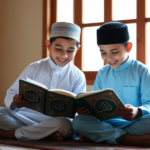
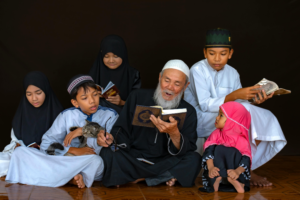
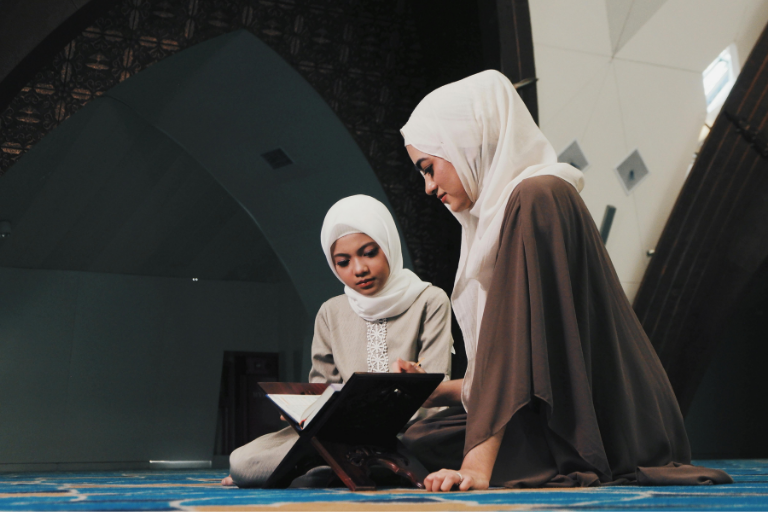
The Quran is the primary source of guidance for Muslims. Learning and understanding its teachings helps individuals make informed decisions and develop a deeper appreciation for their faith. Quranic education encourages reflection, wisdom, and moral responsibility. Programs such as Talimul Quran help learners gain knowledge that can positively influence every aspect of life.
Understanding the Teachings of Hadees
Hadees provides valuable insights into the teachings, character, and practices of Prophet Muhammad (peace be upon him). Studying Hadees helps individuals understand how Islamic principles can be applied in everyday situations. Through Talimul Hadees programs, learners gain practical guidance for personal conduct, family relationships, and social interactions.
Developing Strong Moral Values
One of the key benefits of Islamic education is the development of strong moral character. Honesty, kindness, patience, respect, humility, and compassion are values emphasized throughout Islamic teachings. These qualities help individuals build positive relationships and contribute constructively to society.
Islamic Education and Family Life
Families play an important role in nurturing faith and values. Islamic education provides guidance on maintaining healthy family relationships based on mutual respect, responsibility, and understanding. It encourages parents to serve as positive role models and teaches children the importance of good character and moral conduct.
Promoting Peace and Social Harmony
Islamic teachings emphasize peace, justice, and respect for others. Education helps individuals understand the importance of living harmoniously with people from diverse backgrounds. By promoting tolerance and mutual respect, Islamic education contributes to stronger communities and more peaceful societies. This aligns closely with the mission of Peace Keeping Movement (PKM) to promote social harmony and unity.
Encouraging Personal Responsibility
Islamic education teaches individuals to take responsibility for their actions and decisions. Accountability is an important principle that encourages ethical behavior and self-discipline. Understanding personal responsibility helps people make positive choices and contribute to the well-being of their families and communities.
The Role of Islamic Education in Youth Development
Young people face many challenges in today’s world, including social pressures, misinformation, and ethical dilemmas. Islamic education provides guidance that helps youth develop confidence, resilience, and a strong sense of identity. It equips them with values that support responsible decision-making and positive personal development.
Applying Islamic Teachings in Daily Life
The practical nature of Islamic education makes it relevant to everyday situations. Whether managing relationships, conducting business, helping others, or making personal decisions, Islamic principles offer guidance that promotes fairness, honesty, and integrity. These teachings help individuals lead balanced and meaningful lives.
Community Benefits of Islamic Learning
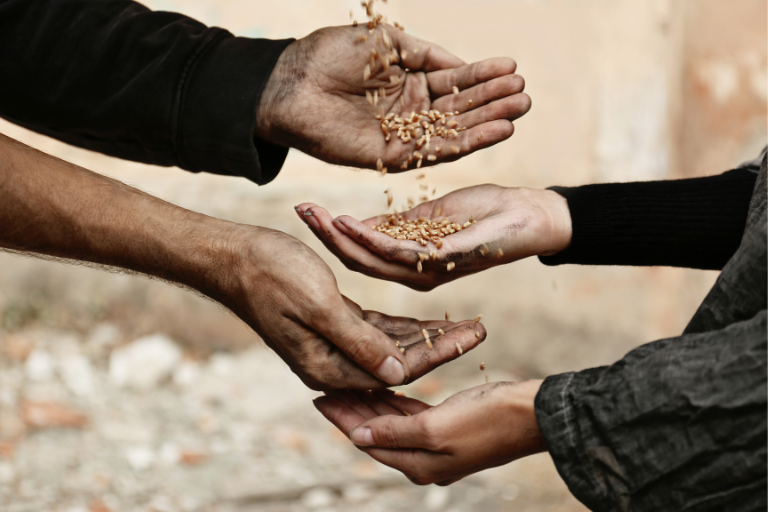
Communities benefit when individuals are educated, responsible, and committed to positive values. Islamic education encourages cooperation, charitable giving, community service, and social responsibility. These principles strengthen social bonds and create environments where people support one another and work together for the common good.
The Importance of Continuous Learning
Islam encourages lifelong learning and the pursuit of knowledge. Continuous education allows individuals to deepen their understanding of faith while adapting to new challenges and opportunities. Learning helps people remain informed, develop critical thinking skills, and contribute more effectively to society.
Conclusion
Islamic education is an essential foundation for personal growth, moral development, and community well-being. It provides guidance that helps individuals strengthen their faith, build strong character, and navigate life’s challenges with wisdom and confidence. Through Talimul Quran, Talimul Hadees, and other educational initiatives, Peace Keeping Movement (PKM) continues to support the spread of beneficial knowledge and promote values that contribute to a peaceful, responsible, and compassionate society.